RO Plant (Reverse Osmosis Plant)
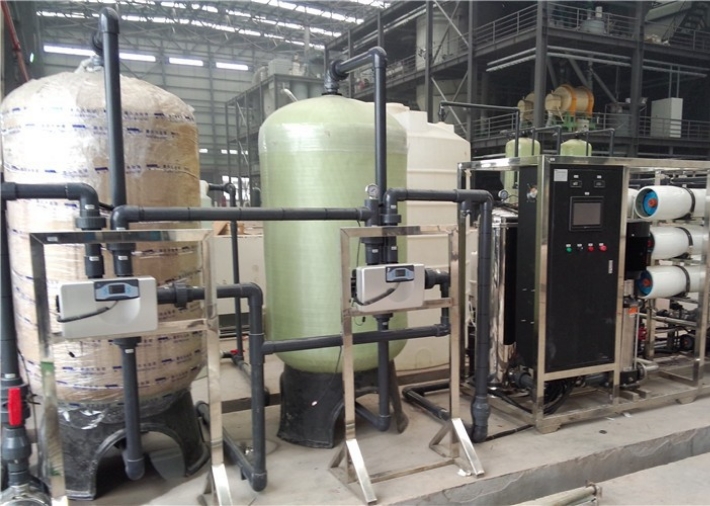
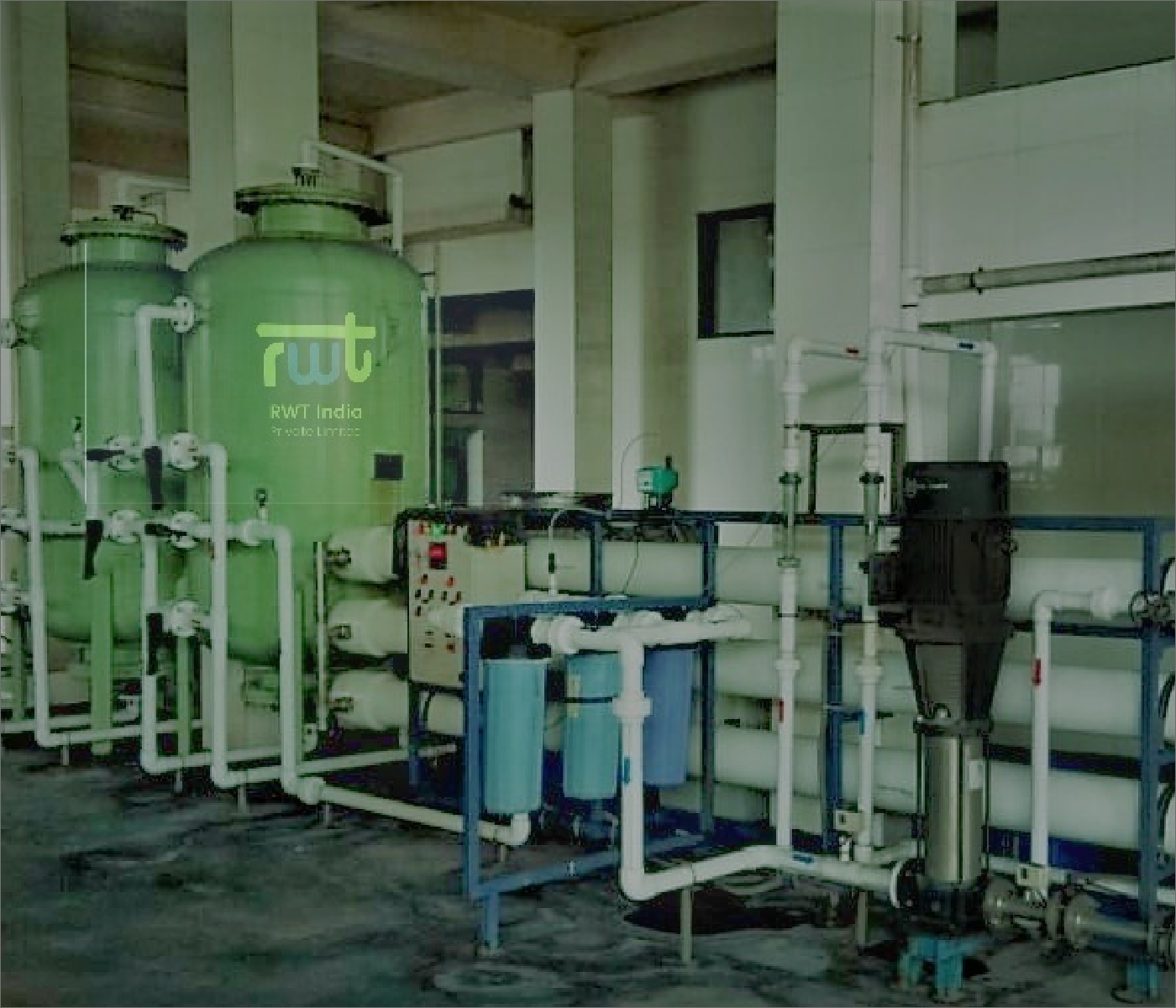
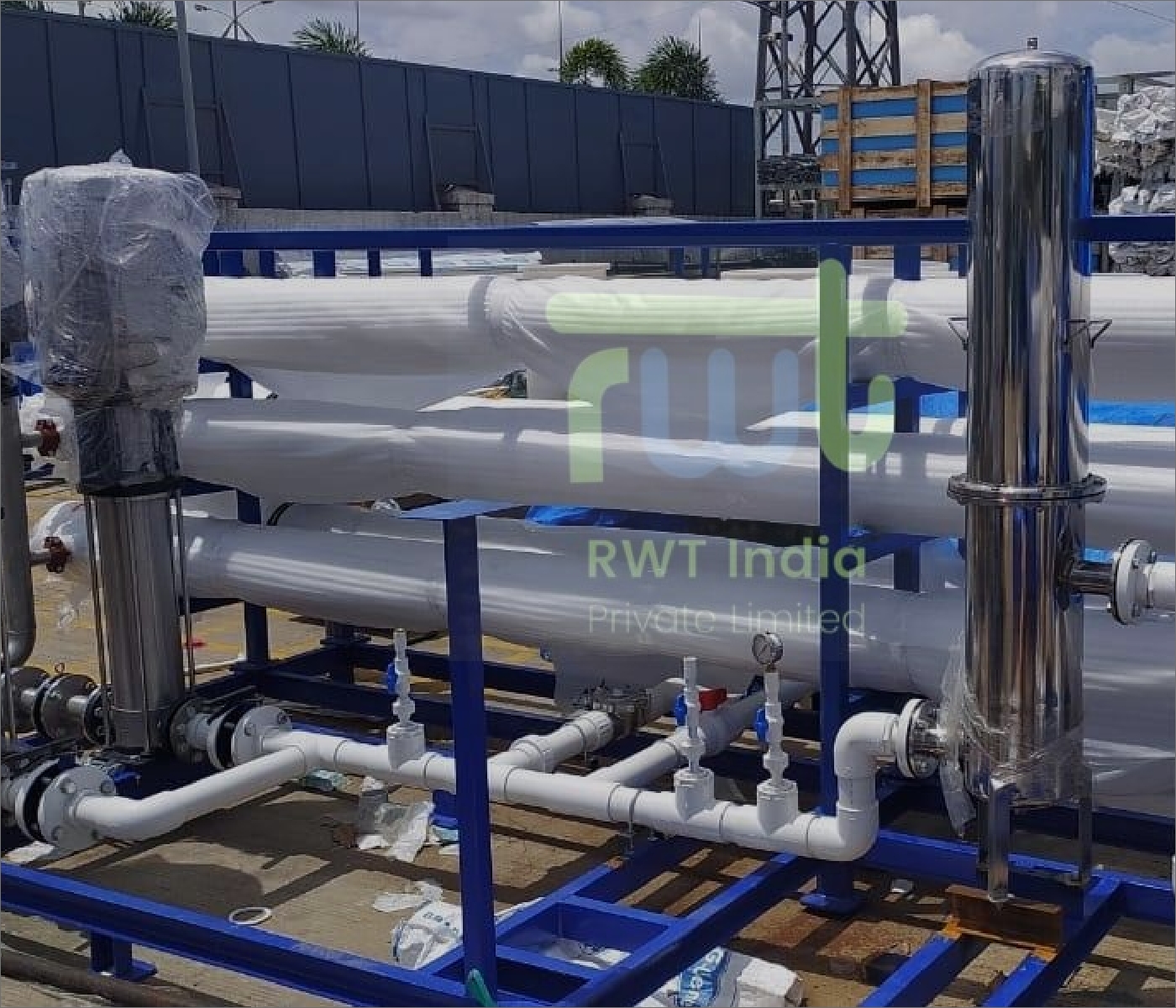
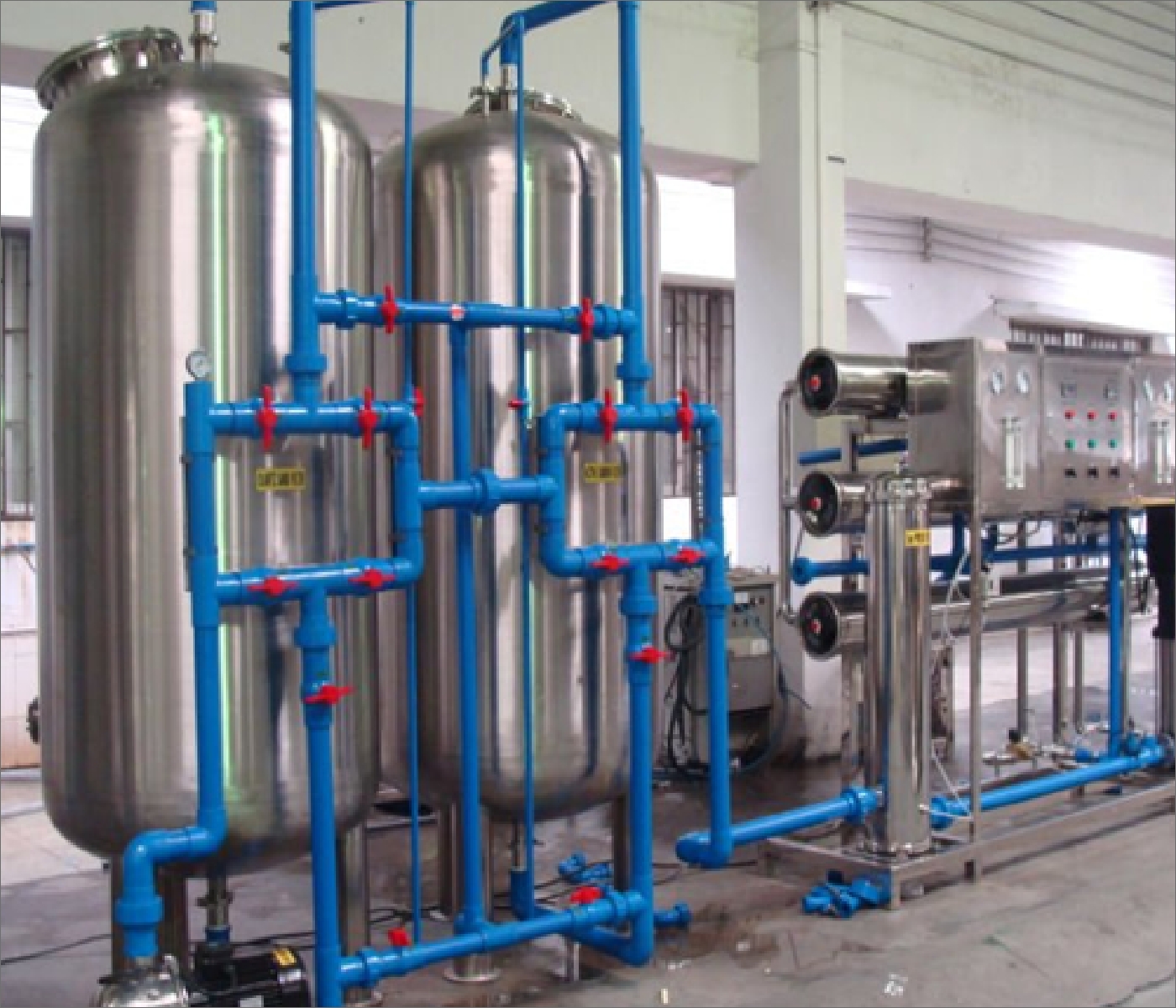
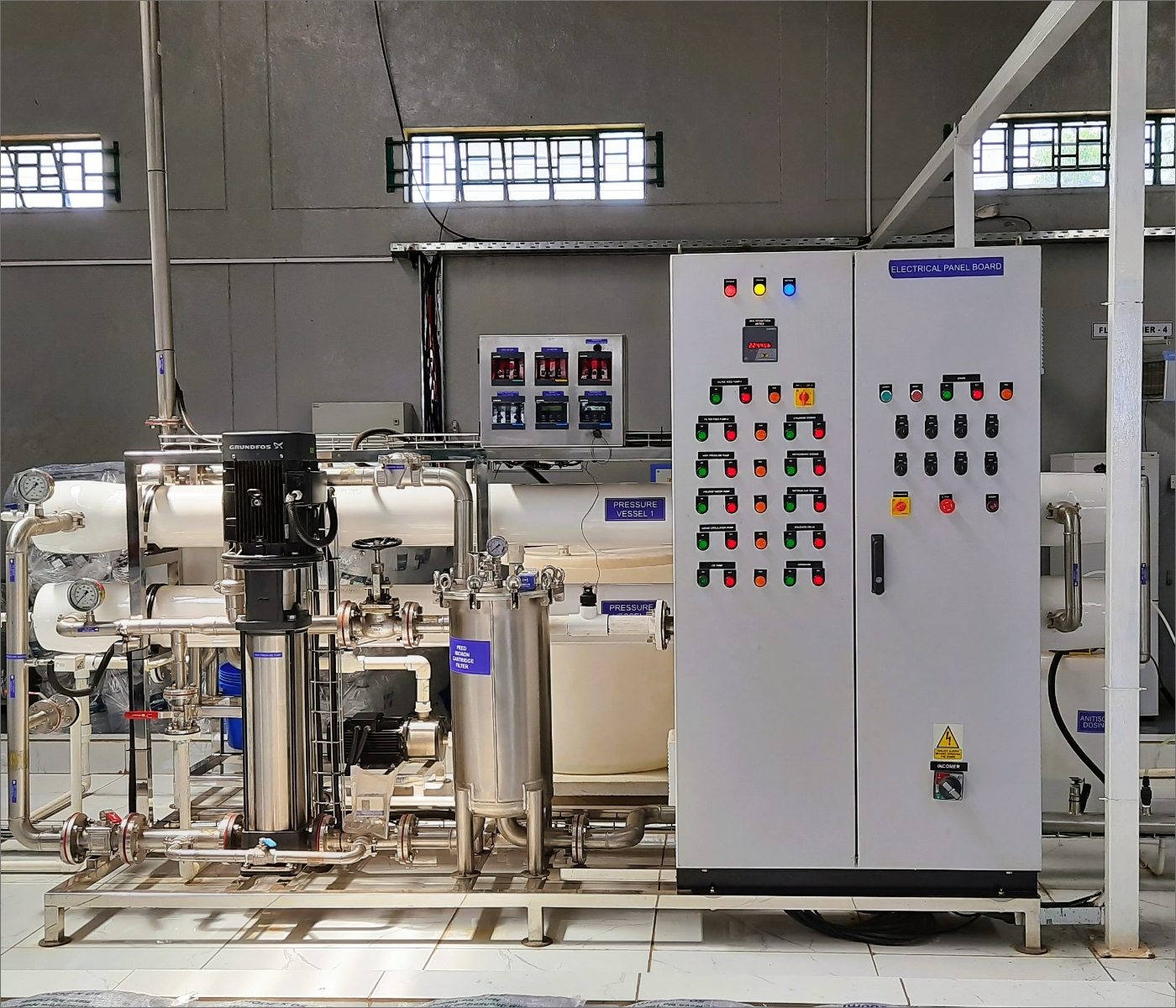
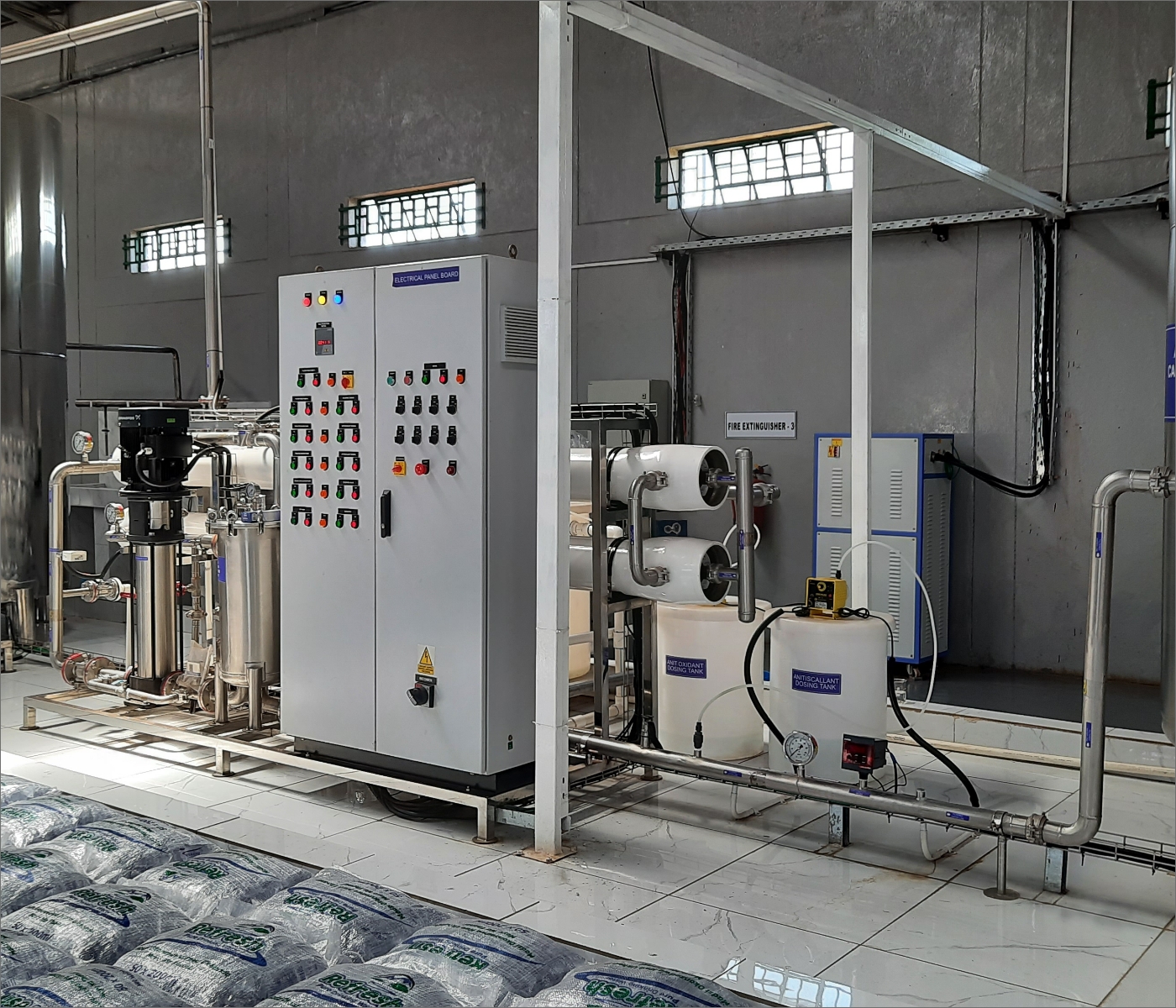
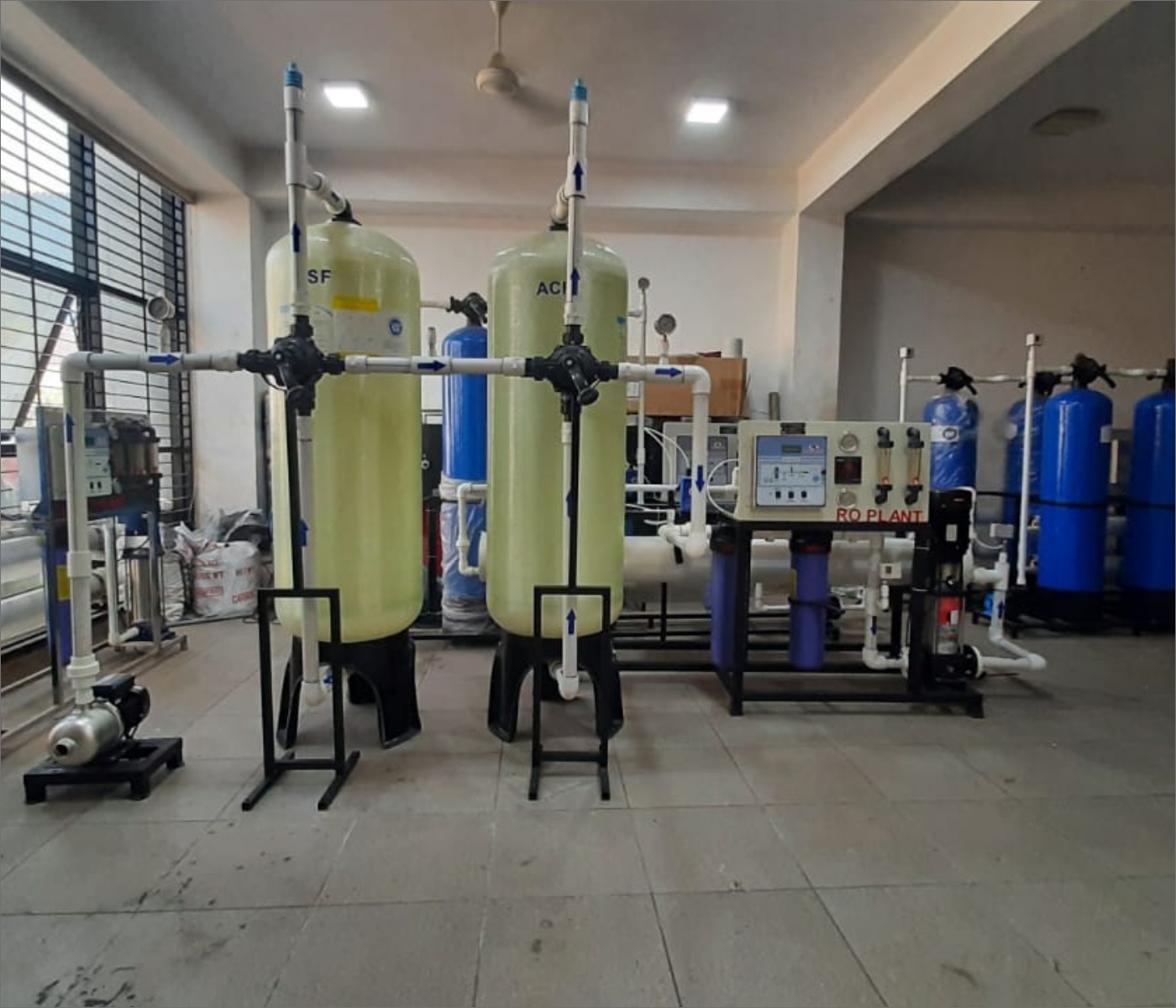
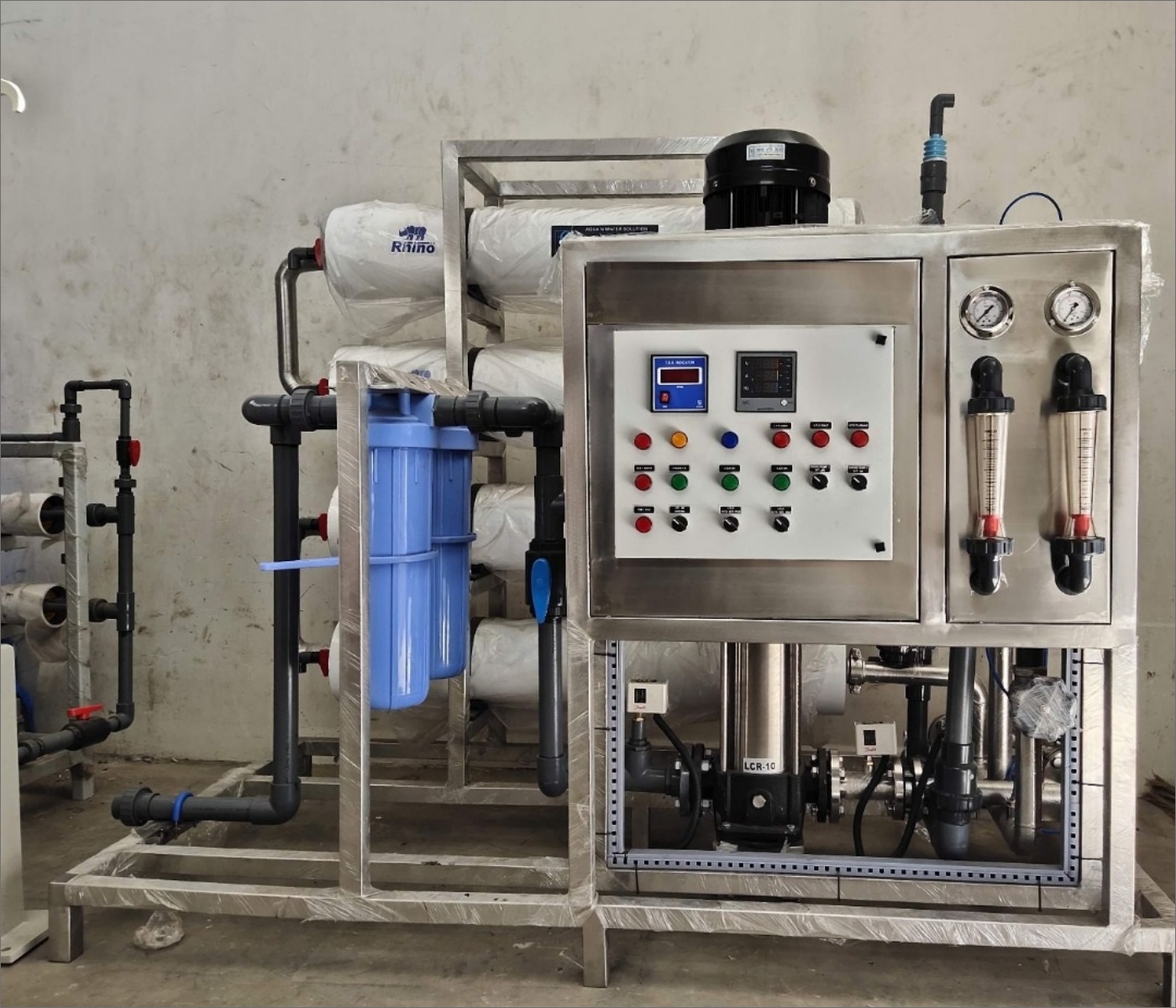
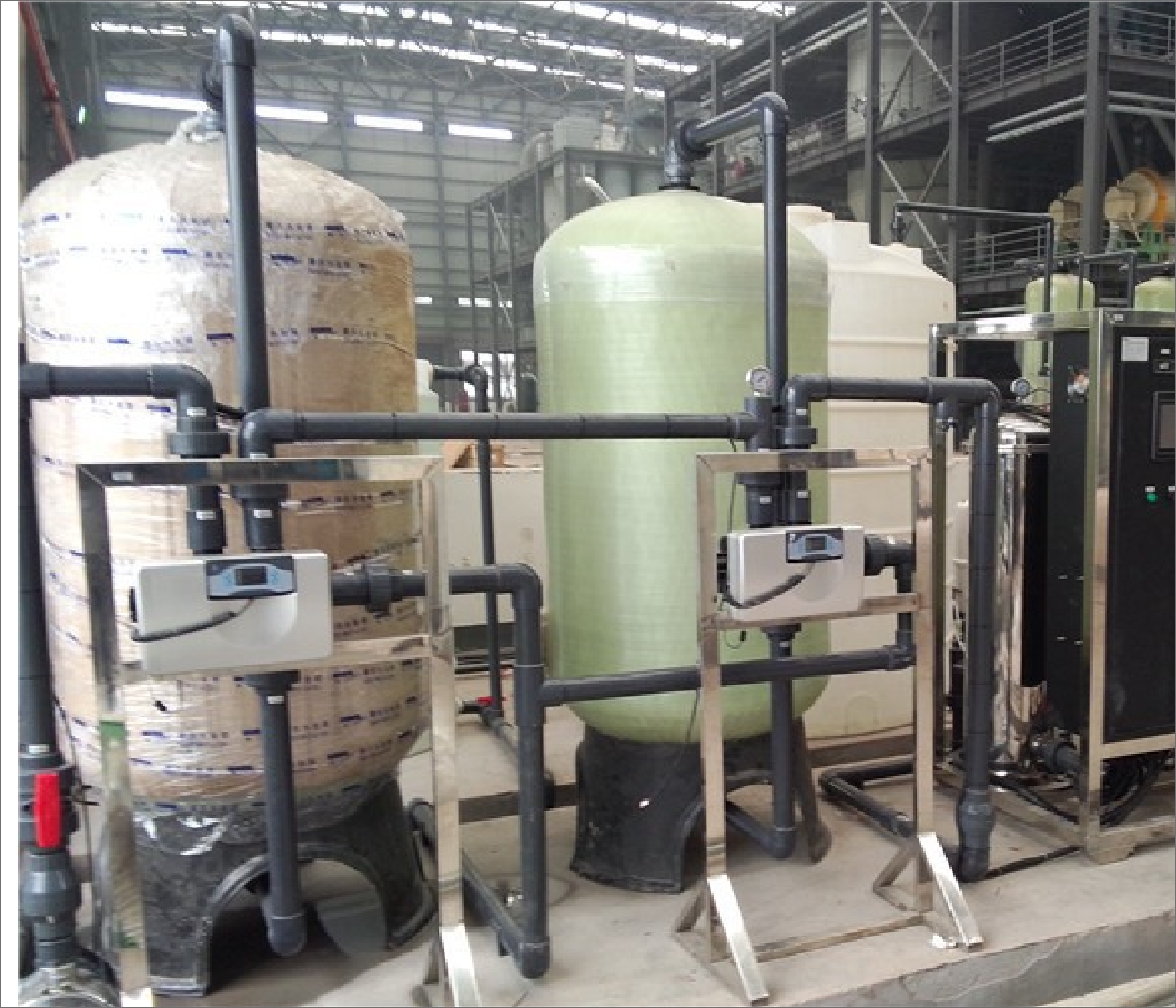
We offer a wide range of industrial reverse osmosis Plants, according to We need for tap water, brackish water & sea water application. The production range starts from 100 LPH (Liter per hour) to 100 M3 per hour for 400 IBS to 45,000 TDS and reduce TDS @ 90-99%.
All our industrial reverse osmosis Plants are carefully customized and configured to suit the individual requirement of the output water, which varies from normal drinking application to the specific usage, such as food Processing, pharmaceuticals and boiler feeding requirement. This is done through an in depth and complete chemical analysis of the feed water available to us in specific location.
Reverse Osmosis has gained wide acceptance and popularity due to its simple operation and the ability to withstand variations in feed water quality.
Safient Features :
- Produce high-quality dematerialized water
- Most modern membrane technology
- Modular design
- Low water-rejection rate
- Low operational and maintenance costs
Institutional Upto 1000 Lph
Salient Features Of Institutional Ro :
- Reverse Osmosis is capable of removing up to 99%+ of the dissolved salts (ions) particles, colloids, organics, bacteria and pyrogens from the feed water.
- RO plants are supplied with best automatic features from 50 LPH to 1000 LPH
- Designed according to the feed water conditions.
- Can also be supplies on BOOT (Built Own Operate Transfer) Basis. Suitable for large complex, Tuition classes, Schools, Corporate houses etc.
- Drinking water solution with a combination of Water Chiller/Water Cooler with Automatic On/OFF Feature.
Industrial Ro Plants Large Capacities
Reverse Osmosis works by using a high pressure pump to increase the pressure on the salt side of the RO and force the water across the semi-permeable RO membrane, leaving almost all (around 95% to 99%) of dissolved salts behind in the reject stream. The amount of pressure required depends on the salt concentration of the feed water. The more concentrated the feed water, the more pressure is required to overcome the osmotic pressure.
As the feed water enters the RO membrane under pressure (enough pressure to overcome osmotic pressure) the water molecules pass through the semi-permeable membrane and the salts and other contaminants are not allowed to pass and are discharged through the reject stream (also known as the concentrate or brine stream), which goes to drain or can be fed back into the feed water supply in some circumstances to be recycled through the RO system to save water. The water that makes it through the RO membrane is called permeate or product water and usually has around 95% to 99% of the dissolved salts removed from it.
Salient Features :
- Reverse Osmosis is capable of removing up to 99%+ of the dissolved salts (ions) particles, colloids, organics, bacteria and pyrogens from the feed water.
- An RO membrane rejects contaminants based on their size and charge.
- Reverse Osmosis is very effective in treating brackish, surface, ground as well as Sea water for all flow rates.
- Some examples of industries that use RO water include pharmaceutical, boiler feed water, food and beverage, metal finishing and semiconductor manufacturing to name a few.