Industrial RO Plant
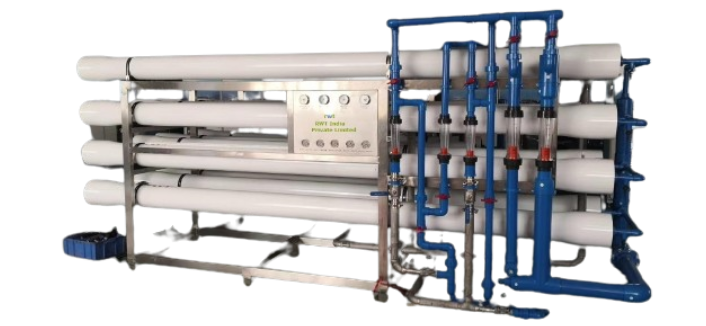
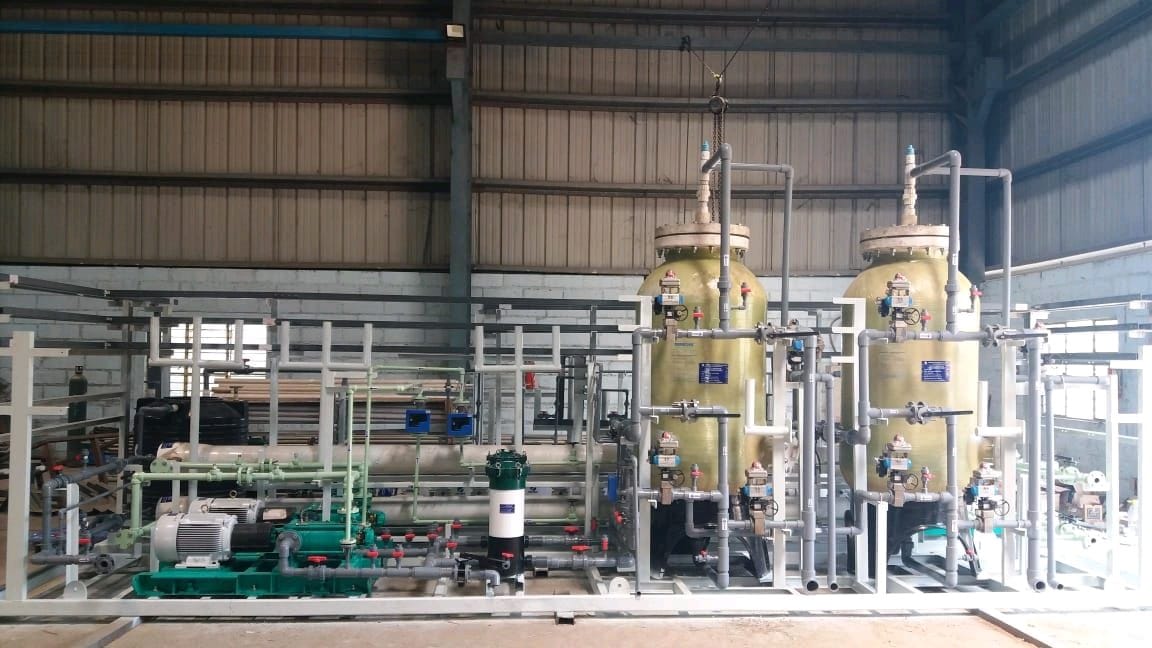
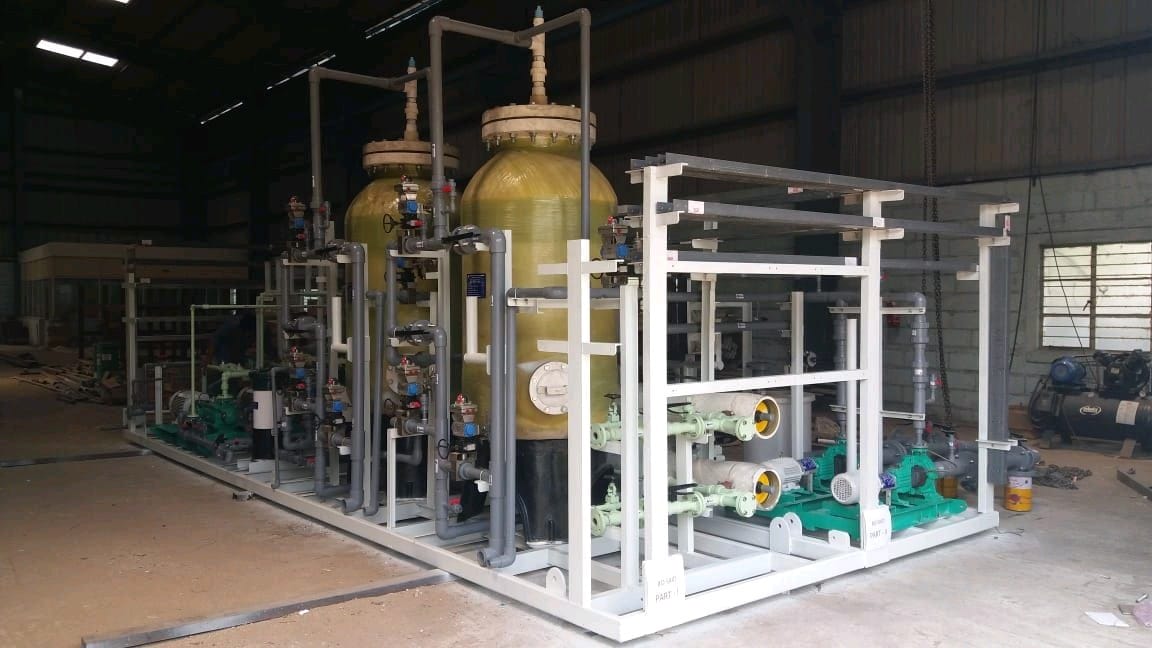
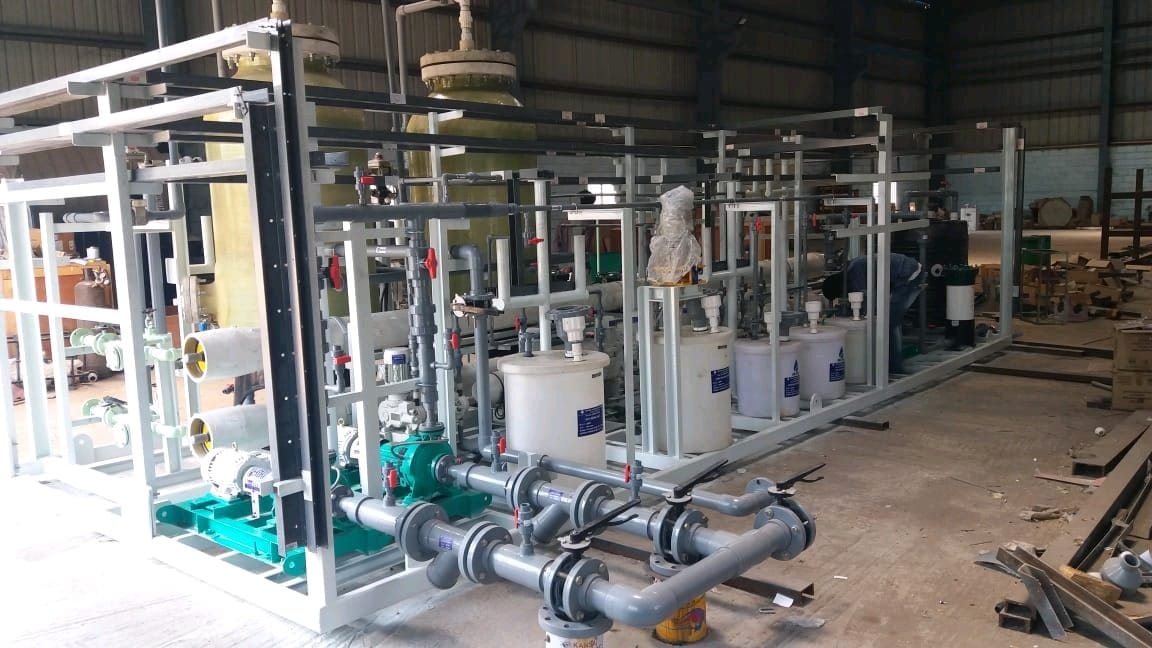
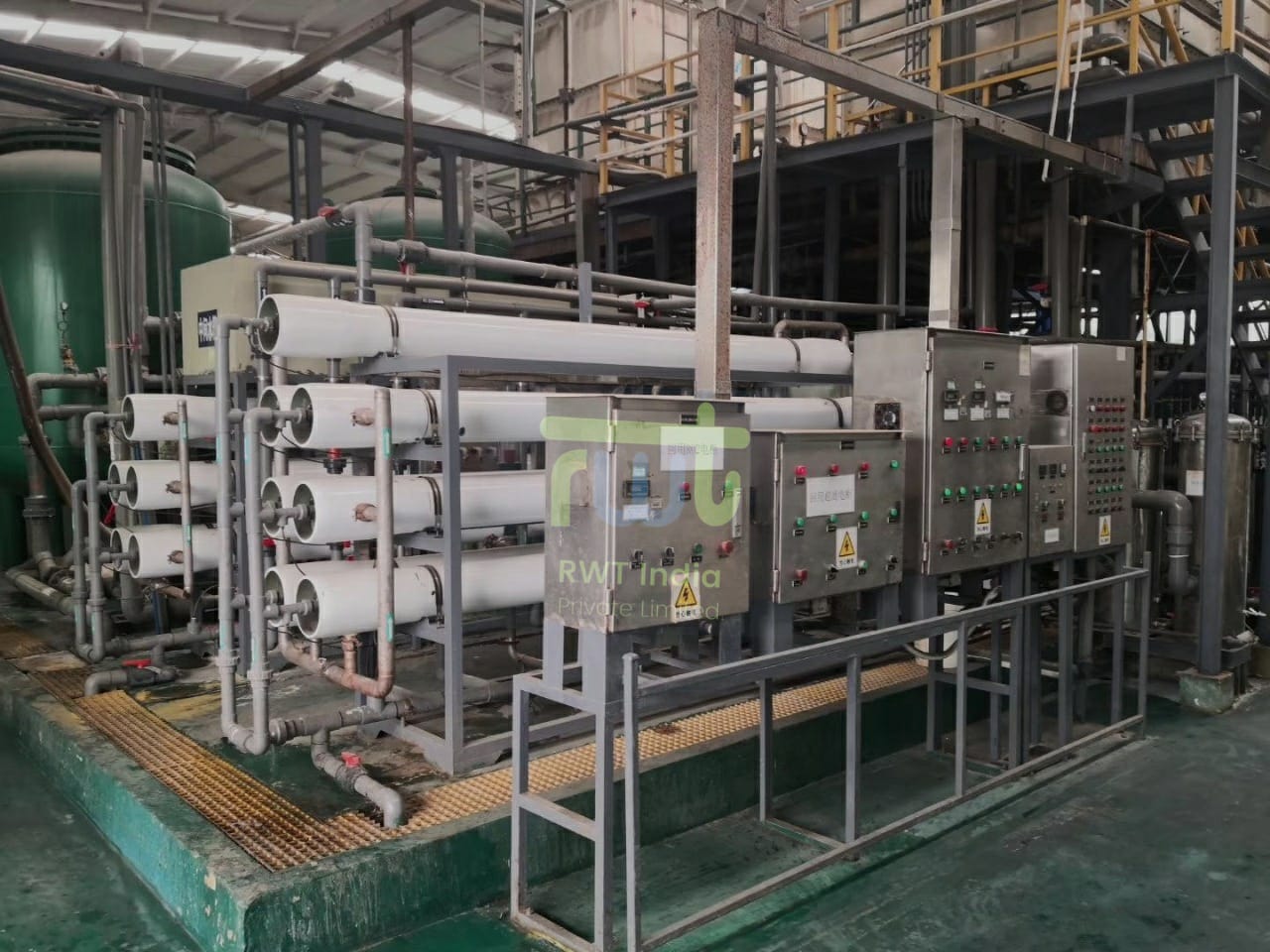
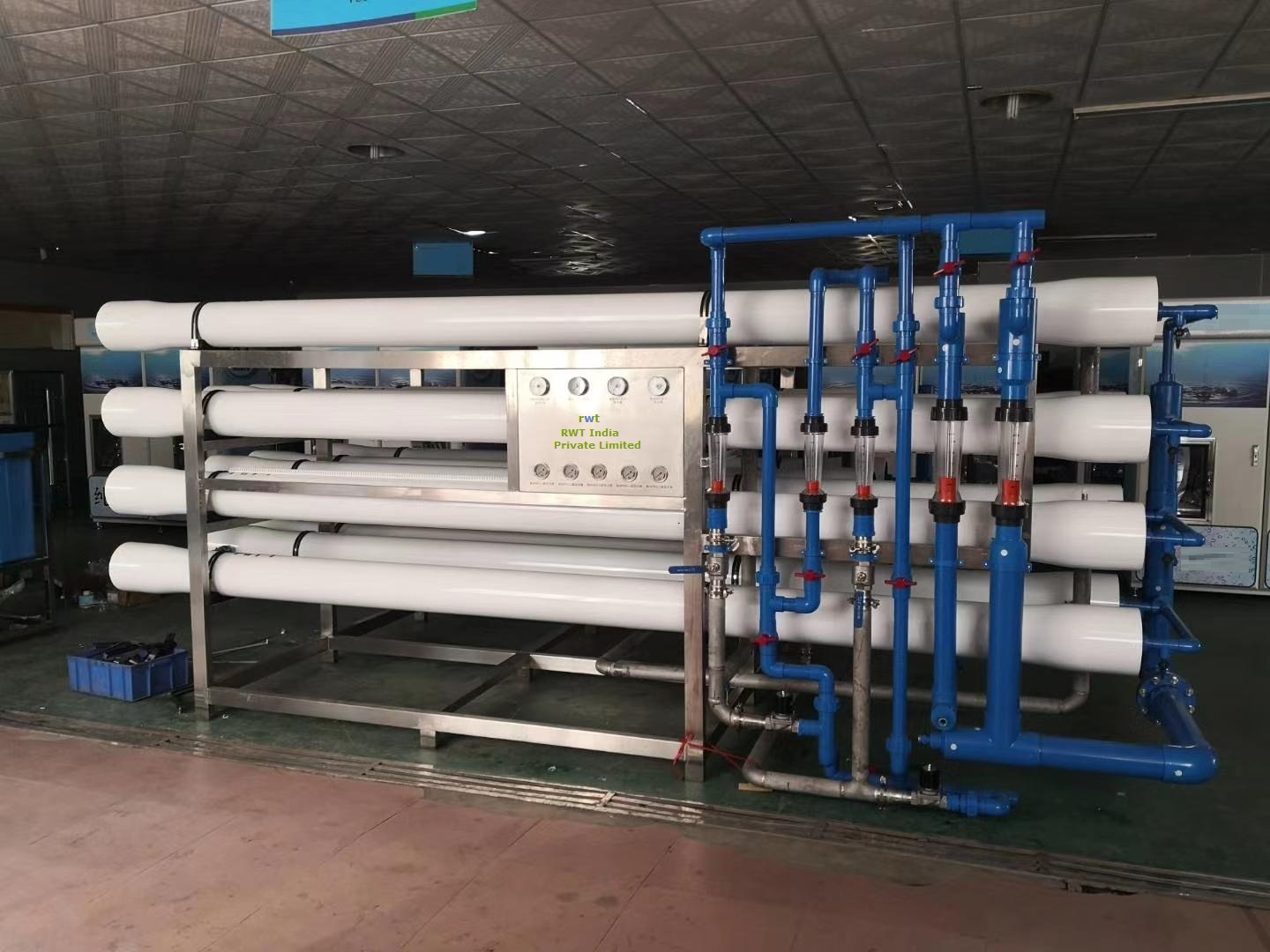
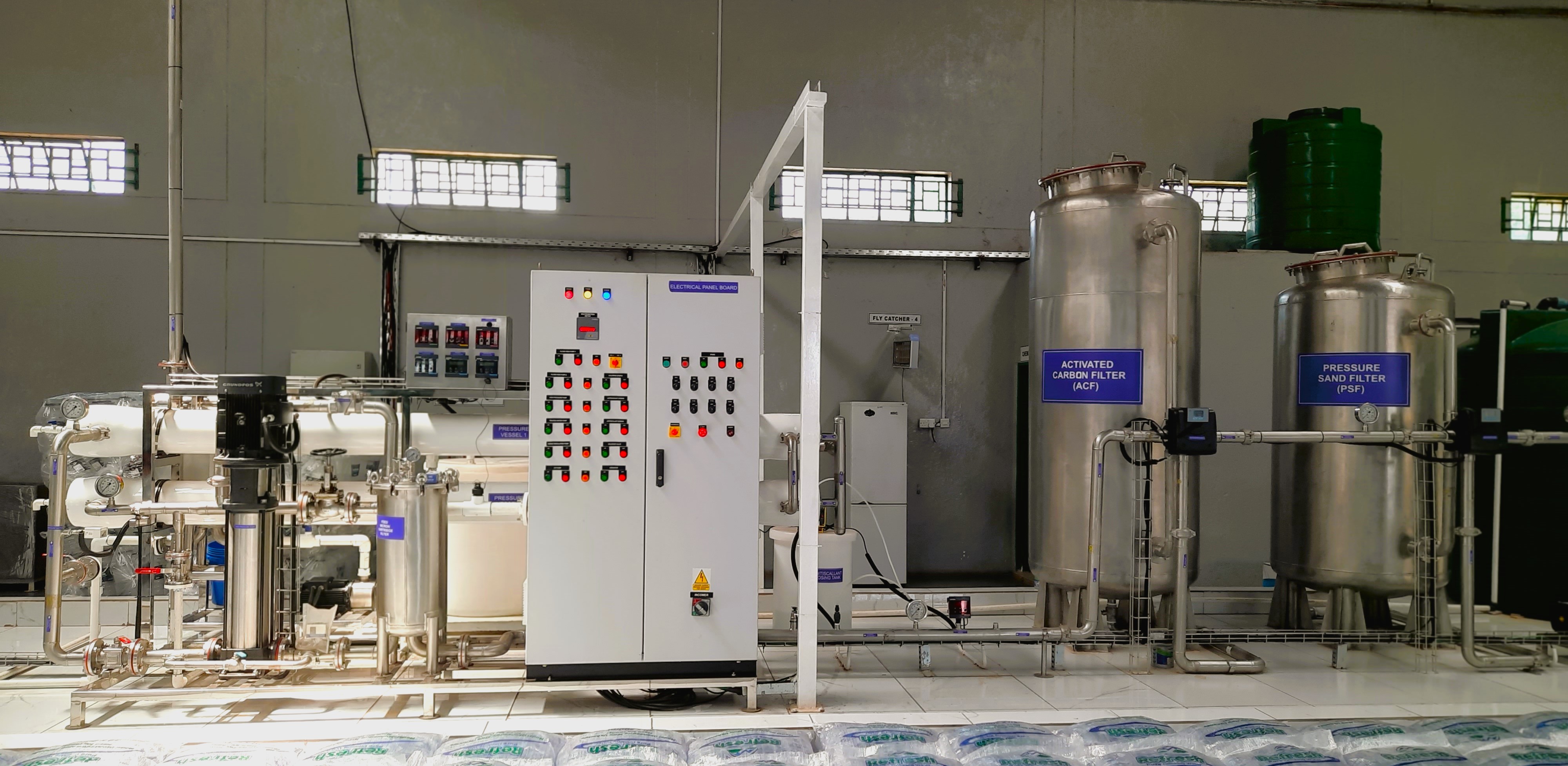
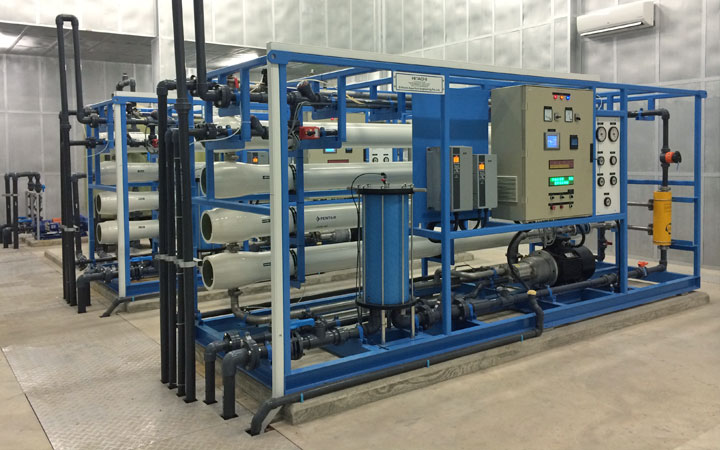
An industrial RO plant is a reverse osmosis water-treatment system designed to reduce TDS, dissolved salts, minerals, and other impurities. It can be customized for tap water, brackish water, and seawater applications, with capacities ranging from 100 LPH to 100 m³/hr. Depending on feedwater quality and system design, TDS reduction can reach approximately 90–99%.
What Is an Industrial RO Plant?
An industrial RO plant uses high pressure to pass pretreated water through semi-permeable membranes. The system typically includes:
- Feedwater pump
- Pretreatment and filtration
- Cartridge filters
- High-pressure pump
- RO membranes and vessels
- Control and monitoring system
- Permeate and reject-water arrangements
How Does an Industrial RO Plant Work?
The process generally involves:
- 1. Water Analysis: TDS, hardness, pH, turbidity, and other parameters are assessed.
- 2. Pretreatment: Suspended solids and membrane-fouling contaminants are reduced.
- 3. RO Filtration: High-pressure water passes through RO membranes to remove dissolved impurities.
- 4. Treated Water: Purified permeate is collected for industrial use.
- 5. Reject Management: Concentrated reject water is handled according to the system design.
What Types of Water Can It Treat?
The process generally involves:
- Tap Water For applications requiring improved water quality.
- Brackish Water: Requires suitable membranes and pretreatment for higher-TDS water.
- Seawater Requires specialized membranes, higher pressure, pretreatment, and corrosion-resistant components.
Where Are Industrial RO Plants Used?
These systems are commonly used for:
- Food processing
- Pharmaceutical manufacturing
- Chemical industries
- Textile industries
- Hospitals and healthcare
- Hotels and commercial facilities
- Boiler-feed water
- General manufacturing
The required output-water quality should always be determined according to the specific application.
How Do You Choose the Right Industrial RO Plant?
Selection should be based on:
- Feedwater source and analysis
- Required capacity
- Desired treated-water quality
- TDS and other water parameters
- Recovery requirements
- Pretreatment needs
- Operating pressure and temperature
- Energy and maintenance costs
- Membrane requirements
- Installation and service support
A detailed feedwater analysis helps determine the appropriate membrane and pretreatment configuration.
Why Choose an Industrial RO Plant Manufacturer?
An experienced industrial RO plant manufacturer in India can design and customize the system according to your water source and process requirements.
Look for a manufacturer offering:
- RO plant design and sizing
- Water analysis
- Membrane selection
- Pretreatment design
- Pumps and instrumentation
- Automation and controls
- Installation and commissioning
- Maintenance and technical support
Also consider lifecycle costs such as power consumption, chemicals, membrane replacement, maintenance, and downtime.
Key Features of a Good Industrial RO Plant
A properly designed system should provide consistent water quality and reliable operation through:
- Effective pretreatment
- Suitable RO membranes
- Reliable high-pressure pumps
- Flow and pressure monitoring
- Automation and controls
- Easy maintenance access
- Appropriate materials
- Proper reject-water management
Also consider lifecycle costs such as power consumption, chemicals, membrane replacement, maintenance, and downtime.
Key Features of a Good Industrial RO Plant
| Capacity | Typical Requirement |
|---|---|
| 100–1,000 LPH | Small industrial applications |
| 1,000–10,000 LPH | Medium-scale requirements |
| 10,000–50,000 LPH | AustriaLarge industrial facilities |
| 50,000 LPH+ | High-demand applications |
| Up to 100 m³/hr | Large-scale water treatment |
Actual capacity depends on feedwater quality, operating conditions, recovery, and required output quality.
Frequently Asked Questions